Understanding EMDR Therapy: What It Is, How It Works, and Whether It Might Be Right for You
At Sydney Psych Hub, we are committed to providing evidence-based therapies that support meaningful healing and recovery. One therapy that has gained significant recognition for its effectiveness in treating trauma and other mental health difficulties is Eye Movement Desensitisation and Reprocessing (EMDR).
If you have heard of EMDR but are unsure what it involves, how it works, or whether it may be suitable for you, this article provides an overview of the therapy and the emerging approach known as EMDR 2.0.
What is EMDR?
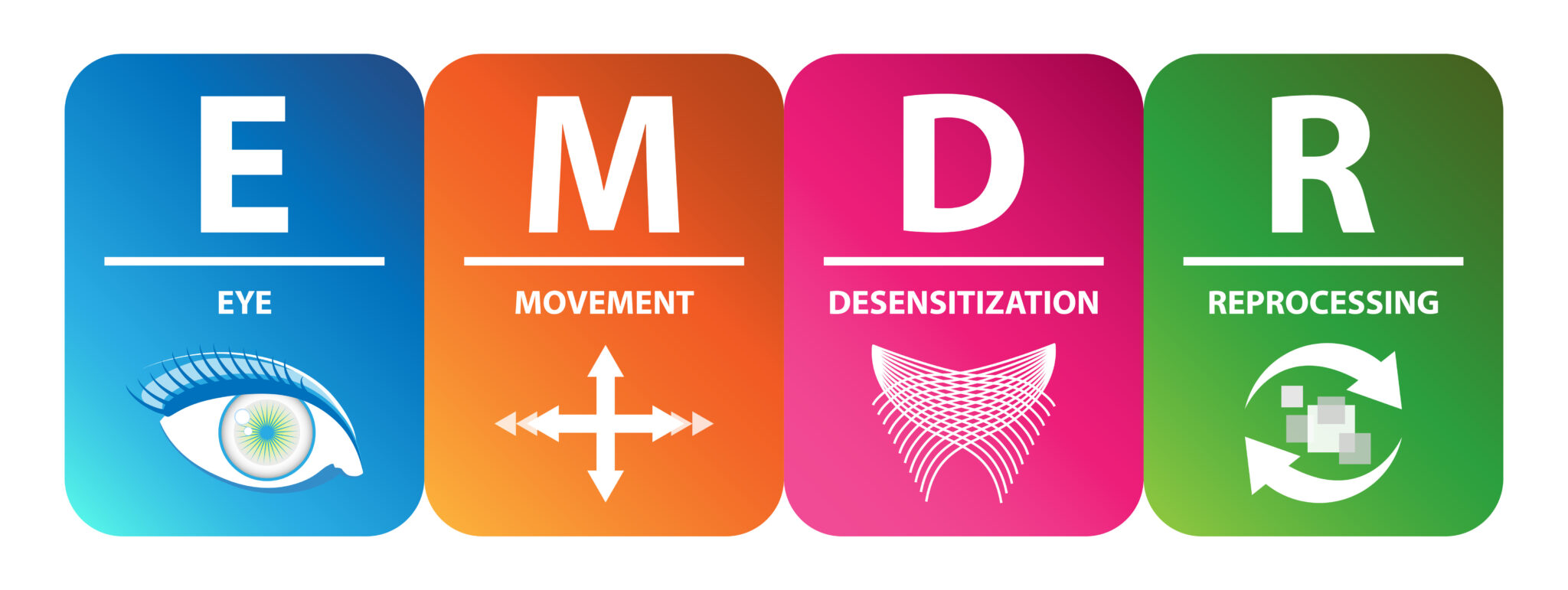
EMDR stands for Eye Movement Desensitisation and Reprocessing. It is a structured, evidence-based psychotherapy originally developed to help people recover from trauma and distressing life experiences.
Unlike some traditional talk therapies, EMDR does not require you to describe traumatic experiences in extensive detail. Instead, the therapy helps the brain process and integrate distressing memories that may have become “stuck” or unprocessed.
EMDR is based on the understanding that difficult or traumatic experiences can overwhelm the brain’s natural ability to process information. When this occurs, memories may continue to feel emotionally intense long after the event has passed. EMDR aims to help the brain reprocess these memories so they become less distressing and easier to manage.
How Does EMDR Work?
During EMDR therapy, a psychologist guides the client through a structured process while using bilateral stimulation. This commonly involves side-to-side eye movements, tapping, or auditory tones.
The therapy follows an eight-phase protocol and includes:
- Understanding your history and therapy goals
- Building coping and grounding skills
- Identifying distressing memories or experiences
- Reprocessing these memories using bilateral stimulation
- Strengthening more adaptive beliefs and emotional responses
As memories are processed, many people notice that the emotional intensity associated with them reduces over time. Clients often report feeling less overwhelmed, less emotionally reactive, and more able to move forward.
If you want to learn more, you can watch some short videos about EMDR from the EMDR Association of Australia’s website
What Can EMDR Help With?
EMDR is most commonly associated with trauma and PTSD; however, research has shown that it may also be helpful for a range of other concerns, including:
- Complex trauma and childhood trauma
- Anxiety and panic
- Depression
- Grief and loss
- Phobias
- Low self-esteem
- Stress and burnout
- Emotional dysregulation
- Distressing or intrusive memories
- Performance anxiety
- Medical trauma or difficult life experiences
EMDR can be particularly helpful when current emotional difficulties appear connected to past experiences or unresolved distress.
Is EMDR Right for Me?
EMDR may be suitable if you:
- Feel “stuck” in distressing memories or past experiences
- Experience strong emotional reactions that feel difficult to manage
- Notice patterns of anxiety, fear, shame, or self-criticism linked to earlier experiences
- Have experienced trauma, abuse, bullying, grief, or significant stress
- Want an approach that goes beyond traditional talk therapy
It is important to know that EMDR is not about forcing someone to relive trauma. A significant part of therapy focuses on safety, emotional regulation, and ensuring clients feel adequately supported throughout the process.
EMDR may not be appropriate for everyone immediately, particularly if someone is currently experiencing significant instability, acute crisis, or difficulties with emotional safety. A trained psychologist will work collaboratively with you to determine whether EMDR is appropriate and how to pace treatment safely.
What is EMDR 2.0?
EMDR 2.0 is a newer evolution of traditional EMDR therapy. It builds on the original EMDR framework while incorporating updated understandings from neuroscience, working memory theory, and trauma treatment research.
EMDR 2.0 aims to increase the efficiency and effectiveness of trauma processing by using strategies that place greater demand on working memory while recalling distressing experiences. This may help the brain process difficult memories more rapidly and reduce emotional intensity more effectively.
Some aspects of EMDR 2.0 may include:
- Faster-paced bilateral stimulation
- Combining multiple forms of stimulation
- Increased focus on working memory taxation
- More flexible and adaptive processing techniques
Seeking Support
At Sydney Psych Hub, our psychologists provide compassionate and evidence-based care tailored to each person’s individual needs. If you are interested in learning more about EMDR or whether it may be suitable for you, our team would be happy to assist.